

Why Swim Lesson Regression Happens
Between school schedules, sports, vacations, sick days, work deadlines, a new baby, or just trying to juggle everything on your plate, swim lessons may have started feeling like one more thing to manage. Or maybe your child seemed comfortable enough in the water that taking a short break felt harmless.
A lot of parents have been there. And honestly, it makes sense. When your child is happily swimming, jumping in confidently, and progressing well, it can feel like the skills are “good enough.”
Then you come back to lessons and suddenly things feel different.
Maybe your child is clinging to you at the pool again. Maybe they hesitate to go underwater, forget skills they used to do easily, or seem nervous during class. For many parents, that shift can feel confusing and frustrating, especially after all the time, energy, and investment into lessons.
The reality is, swim lesson regression is incredibly common, especially for young children. And it does not mean lessons “didn’t work.” It simply means swimming requires consistency, repetition, and ongoing practice until the skills become second nature.
Just like reading, riding a bike, or learning a new language, children build swimming skills gradually. The more often they practice, the more natural those skills become. When practice pauses for long periods of time, it is normal for some of those abilities, and the confidence tied to them, to weaken, too.
The Physical Side of Swim Lesson Regression
So why does regression happen physically?
At young ages, children’s brains are still rapidly developing. Every time a child practices swimming, their brain and body are strengthening connections that help them remember how to kick, paddle, float, hold their breath, and respond in the water. The more repetition they get, the stronger and more automatic those responses become.
Harvard neuroscientist Charles Nelson III explains it simply: “Neurons that fire together, wire together.” In other words, repeated practice helps the brain build stronger pathways so skills feel easier and more natural over time.
That matters because water safety is about more than knowing what to do. It is about being able to respond quickly and confidently without hesitation.
But when children experience long stretches without practice, those pathways can weaken, especially in younger kids whose brains are still developing memory systems, coordination, emotional regulation, and confidence.
“There is massive growth and development of the brain in the first couple of years of life,” says neurologist Dr. Anisa Kelley. “90 percent of brain development is complete by age five.”
That is why even children who previously seemed highly skilled can experience setbacks after time away from lessons. It does not erase what they learned. It simply means those skills still need reinforcement to become lasting habits and instincts.
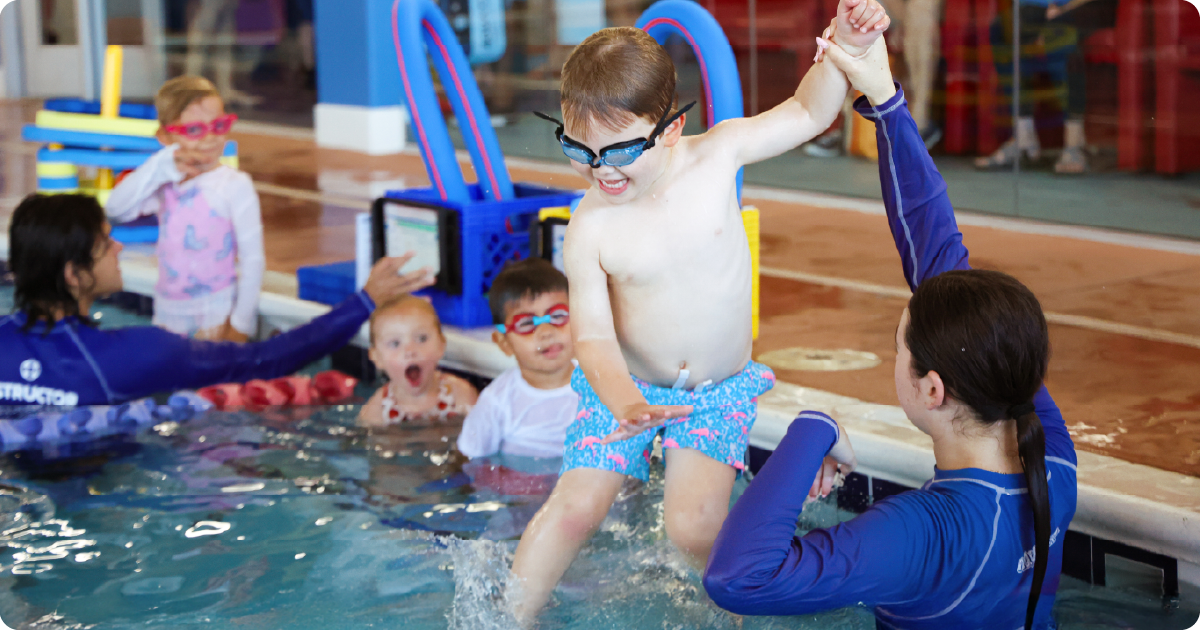
The Emotional Side: How Breaks Affect Swim Confidence
Regression is not only about forgetting physical skills. For many kids, the first thing they lose after a long break is confidence.
A child who once loved swim lessons may suddenly feel unsure in the water. They may resist participating, become more cautious, or cling to familiar comfort zones. And for parents, that emotional shift can sometimes feel even harder than the physical setbacks.
A break from lessons can affect a child’s:
- Confidence with submersion, floating, and independent skills
- Comfort and emotional security in the water
- Ability to listen and respond during lessons
- Endurance and muscle memory
- Trust in their own abilities
- Overall safety awareness around water
Kids thrive on routine and familiarity. Swim lessons become part of their normal rhythm, and that consistency helps build both confidence and emotional security. When that routine suddenly stops, it is common for children to feel unsure returning to an environment where they no longer feel as practiced or successful.
That is why some children appear to “go backward” after a break. Often, they return to behaviors or progressions that feel easier, safer, or more familiar to them emotionally.
And honestly, this happens with so many childhood skills. Reading, sports, music lessons, classroom routines, and swimming all require continued practice while children are still learning and developing confidence.
According to Harvard psychiatrists Dr. Theodore A. Stern and Dr. Hermioni N. Lokko, “Regression is typical in normal childhood.” Children often revert to earlier behaviors when they feel stress, frustration, or uncertainty.
The encouraging part is that confidence can absolutely be rebuilt with patience, support, and consistency.
Why Consistent Swim Lessons Matter
Consistent, year-round swim lessons help children turn swimming skills into natural responses instead of skills they have to stop and think about.
In real-life water situations, confidence and quick reactions matter. Children who regularly practice are more likely to respond calmly because those movements and safety habits feel familiar and automatic.
The good news is that regression does not erase previous learning. In many cases, the foundation is still there, and children simply need repetition and consistency to rebuild confidence and comfort.
Consistent lessons help children:
- Maintain comfort and familiarity in the water
- Strengthen muscle memory and coordination
- Build endurance and confidence
- Develop stronger safety responses
- Continue progressing emotionally and physically
Year-round lessons can also help families avoid the emotional “starting over” cycle that sometimes happens after long breaks. Instead of repeatedly rebuilding confidence, children can continue layering new skills onto an already strong foundation.
And while progress is important, the bigger goal is even more meaningful: helping children become safe, confident swimmers for life.
For many families, consistency matters most during the phases when progress feels slower, kids seem distracted, or motivation dips a little. Those are often the moments where continued practice helps children grow the most long term.
“If you’re thinking of stopping, I would say don’t,” says Lynn, an Aqua-Tots mom. “Swimming is very important. If the kids stop swimming or stop taking lessons, they’ll forget what to do. Aqua-Tots is something that will help your kids both survive and learn to swim with confidence.”
Supporting Your Child’s Return to Swim Lessons
If your child has regressed after time away from lessons, you are not alone, and it does not mean you failed. Life happens, schedules change, and many families experience pauses at some point.
What matters most is how you move forward.
Children tend to rebuild confidence best when parents:
- Return to lessons swimming multiple days per week
- Stay patient and encouraging during rebuilding phases
- Avoid comparing current performance to past progress
- Celebrate small wins along the way
- Trust the learning process
Sometimes progress after a break can feel slower at first, but rebuilding confidence and familiarity is part of developing safer, stronger swimmers over time.
At Aqua-Tots Swim School, we understand that learning to swim is about more than strokes and techniques. It is about helping children feel safe, capable, and confident in the water while giving parents peace of mind along the way. Every lesson builds on the last, and over time, those small moments of consistency can make a big difference.
Ready to return to swim lessons? Use our Level Finder to determine which class to enroll in and our Location Finder to discover an Aqua-Tots Swim School near you.