


9 Water Safety Myths That Put Kids at Risk (And the Tips to Stay Safe)

Summer is almost here, and with it comes pool days, beach vacations, splash pads, and backyard water fun. While these moments are often filled with laughter and sunshine, they also come with real risks that many families don’t fully realize.
Drowning remains one of the leading causes of death for children, and often, it happens quietly and unexpectedly. In honor of National Water Safety Month, we’re breaking down nine common water safety misconceptions that can give families a false sense of security. Knowing the truth behind these myths can make all the difference in keeping your child safe this summer—and all year long.
Swimming Skills Don’t Make Kids Drown-Proof
Question: Do swim skills make my kids drown-proof?
Answer: Swimming skills are incredibly important, but no one is drown-proof. Even strong swimmers can become tired, distracted, or overwhelmed by changing water conditions. True water safety requires layers of protection: active adult supervision, swim lessons, barriers like pool fencing, and life jackets when in or near open water.
Drowning Is Silent—A Critical Water Safety Tip
Question: Will l hear my child if they are drowning?
Answer: This is one of the most dangerous misconceptions. Drowning is often silent. There’s usually no splashing, yelling, or waving for help like we see in movies. Children can slip under the water in an instant, and drowning can occur in as little as 20 seconds, making close, constant supervision essential.

Floaties Are Not a Substitute for Supervision
Question: Do floaties and inflatables keep my kids safe enough?
Answer: Water wings and inflatable floats may look reassuring, but they are not life-saving devices. They can deflate, slip off, be removed by little hands silently, or tip children into unsafe positions. Relying on them can also prevent kids from learning proper positioning while swimming and self-rescue skills.
Supervision Is Still Needed When There Is a Lifeguard
Question: Can I take a break from watching my kids when there is a lifeguard?
Answer: Lifeguards play an important role, but they are not a substitute for parental supervision. Their job is to oversee many swimmers at once and respond to emergencies, not to replace a parent’s watchful eye. You are always your child’s first and most important line of defense.
Drowning Can Happen in Any Depth of Water
Question: Does drowning only happen in deep water?
Answer: Drowning can happen in as little as two inches of water. Bathtubs, kiddie pools, buckets, and even water-filled toys pose risks, especially for babies, toddlers, and small children. Any amount of standing water deserves attention.

Kids Who Aren’t Around Water Often Are Still at Risk
Question: Is my child safe since they don’t spend much time around water?
Answer: According to the CDC, 69% of children under five who drowned were not expected to be near water at the time. That’s why water safety education goes beyond summer. It’s a year-round necessity, even for families who don’t swim often.
Older Kids Still Need Supervision Around Water
Question: Can my older children swim without supervision?
Answer: For children ages 5–14, drowning is the second leading cause of unintentional injury-related death. Even older kids and teens can misjudge their abilities, become exhausted, face rapidly-changing, dangerous weather conditions, or encounter unexpected hazards. No one is immune to water risks, and supervision is always strongly recommended.
Swimsuit Color Matters
Question: Does it matter what color swimsuit my child is wearing?
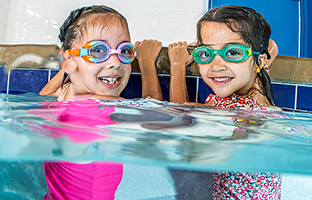
Answer: Swimsuit color can make a critical difference in an emergency. Blue, green, and neutral tones blend into pool and lake water, making children harder to spot. Bright colors like red, orange, and neon yellow improve visibility and response time.

Swim Lessons Are More Than Another Extracurricular Activity
Question: Isn’t swimming just another sport?
Answer: Unlike soccer or dance, swimming is a life-saving skill. It’s about more than strokes or competition—it’s about confidence, safety, and knowing how to respond if something goes wrong. Swimming is a skill your child will use for life.
Why Formal Swim Lessons Are the Best Water Safety Tip
Swim lessons do more than build confidence; they save lives. The CDC reports that drowning is the leading cause of unintentional injury-related death for children ages 1–4 and the second leading cause for children ages 5–14.
However, the National Institutes of Health found that formal swim lessons can reduce the risk of drowning by up to 88% for children ages 1–4. Year-round lessons help children develop essential skills, water awareness, and instinctive responses that can protect them in unexpected situations.
Not sure if your child can swim or not? Learn what safe, confident swimming looks like by reading our blog, “What Swimming Is… And What Swimming is Not!”.
Ready to Make Water Safety a Priority?
Summer should be filled with carefree memories, not preventable worries, and water safety plays a huge role in keeping it that way. By understanding the myths around drowning and taking proactive steps, families can enjoy pools, beaches, and backyard water play with greater confidence and peace of mind.
Swim lessons are more than an item on the summer to-do list; they’re an investment in your child’s safety, independence, and lifelong confidence around water. We know that with kids, your family’s schedule will be full before you know it. Now is the perfect time to prioritize skills that truly matter.
Classes are filling up. Are you ready to jump in? Use our Location Finder to enroll in swim lessons at an Aqua-Tots Swim School near you. Have questions? Give your local school a call; Team Tots is always happy to help!